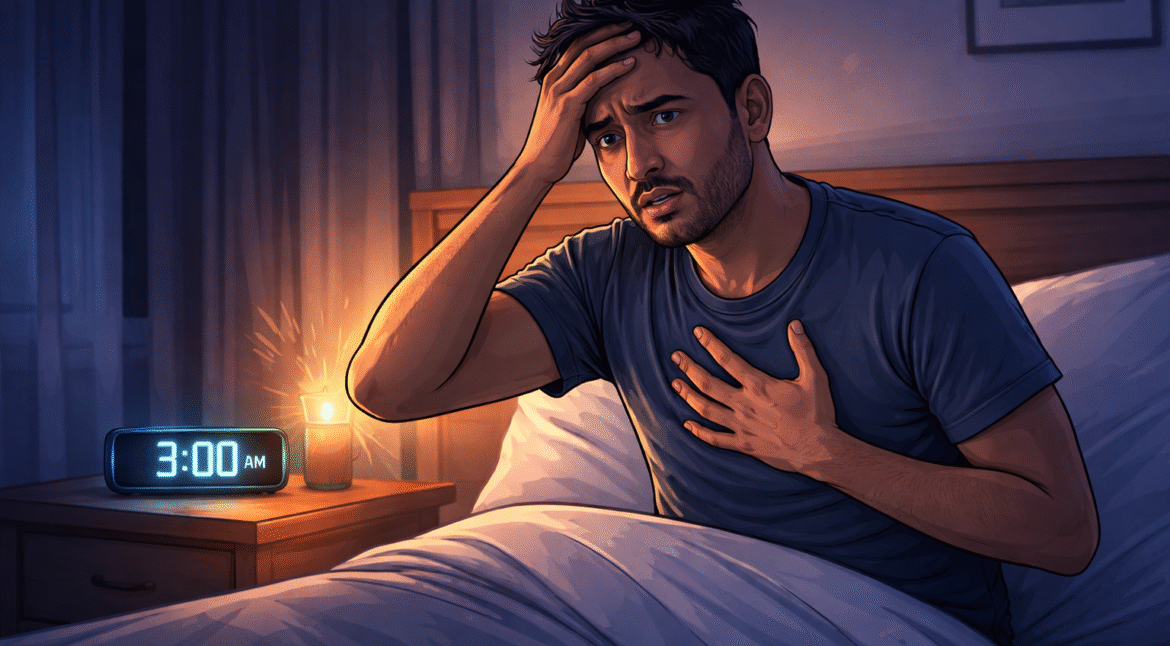
Why Panic Attacks Keep Coming Back and Why Self-Help Isn’t Enough
Panic attacks can feel frightening, unpredictable, and deeply exhausting. Many people try self-help methods breathing exercises, meditation apps, lifestyle changes—hoping to stop the cycle. While these steps may offer temporary relief, recurrent panic attacks often continue to return. Understanding why this happens is the first step toward lasting recovery
Why Do Panic Attacks Keep Coming Back?
Panic attacks are not just isolated episodes of fear. They are driven by changes in how the brain and nervous system respond to perceived threats.
1. The “Fear of Fear” Cycle
Panic attacks are not just isolated episodes of fear. They are driven by changes in how the brain and nervous system respond to perceived threats.
2. Conditioned Nervous System Response
Over time, the brain learns to associate certain places, situations, or sensations with panic. This conditioned fear response means panic attacks can return even when life feels calm. Self-help tools rarely address this deep neurological conditioning.
3. Temporary Relief vs Long-Term Treatment
Techniques like deep breathing or grounding exercises help calm symptoms in the moment, but they don’t treat the root cause. This is why many people experience panic attacks despite meditation or lifestyle changes.
Why Self-Help Isn’t Enough for Chronic Panic Attacks
Self-help strategies are valuable, but they have limits—especially when panic attacks become frequent or severe.
They don’t retrain thought patterns that fuel panic
They can’t fully regulate a dysregulated nervous system
They don’t address underlying anxiety or panic disorder
In some cases, relying only on self-help may even delay proper care, allowing the anxiety cycle to become more ingrained.
When Panic Attacks Become a Panic Disorder
If panic attacks are frequent, unexpected, or accompanied by ongoing worry about future attacks, it may indicate panic disorder. This condition often requires professional help for panic attacks, as untreated symptoms can start affecting work, relationships, sleep, and overall quality of life.
How Professional Treatment Breaks the Cycle
Evidence-based treatment targets both the mind and the body:
Cognitive Behavioral Therapy (CBT) helps identify and reframe fear-based thoughts
Exposure techniques retrain the brain to stop reacting with panic
Medication, when appropriate, can stabilize brain chemistry and reduce attack frequency
Long-term panic disorder treatment focuses on relapse prevention, not just symptom control
Working with a psychiatrist for panic attacks ensures care is medically accurate, personalized, and safe.
When Should You Seek Professional Help?
Consider reaching out if:
Panic attacks keep returning despite self-help
You avoid places or activities due to fear of panic
Symptoms feel overwhelming or uncontrollable
Anxiety is affecting daily functioning
Early intervention leads to better outcomes and faster recovery.
A Reassuring Final Thought
Panic attacks are treatable, and you are not weak for needing help. Self-help can support healing, but lasting recovery often requires professional treatment for panic disorder. With the right guidance, the cycle of panic can be broken—and life can feel calm again.


 Book Consultation