

 Book Consultation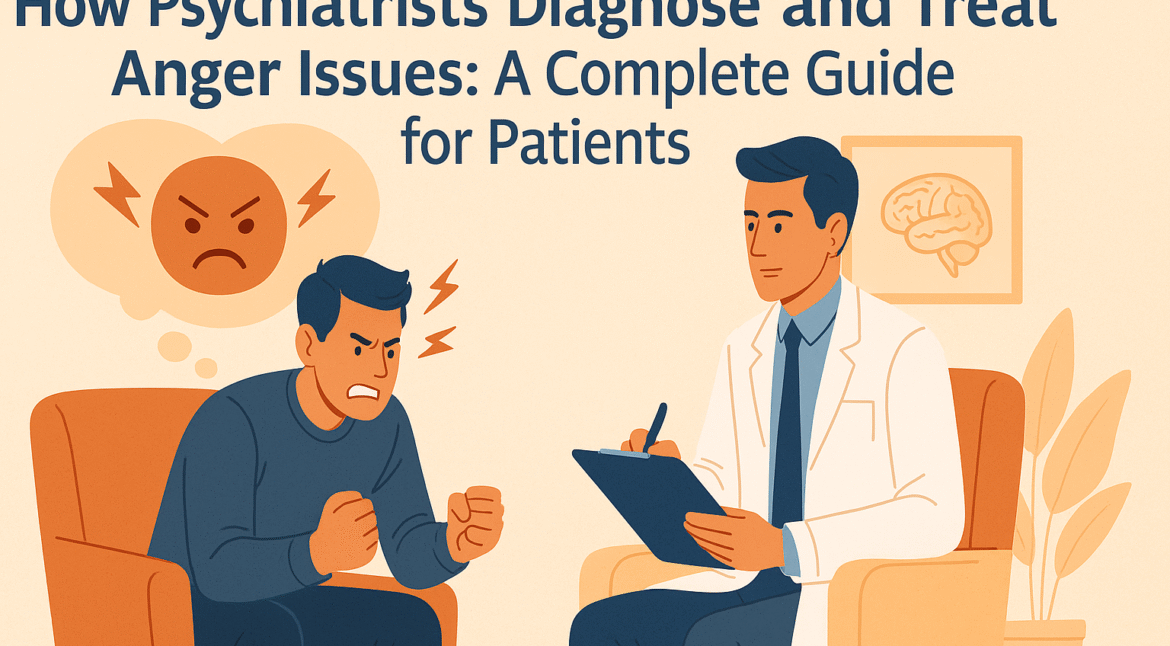
How Psychiatrists Diagnose and Treat Anger Issues: A Complete Guide for Patients
Anger is a natural emotion—but when it becomes intense, frequent, or uncontrollable, it may indicate an underlying mental health concern. Many people hesitate to seek help because they assume anger is a “behavioral problem,” not a medical one. In reality, consulting a psychiatrist for anger issues can help identify root causes and create a structured plan for recovery. This guide explains how psychiatrists treat anger issues, what diagnosis involves, and the most effective treatment options available today.
Understanding When Anger Becomes a Mental Health Issue
Uncontrolled anger can impact relationships, job performance, and overall emotional well-being. When irritability, explosive reactions, or aggressive behavior become frequent, it is time to explore anger issues treatment under expert supervision.
Common warning signs include:
- Outbursts disproportionate to the situation
- Difficulty calming down once angry
- Physical aggression or property damage
- Regret, shame, or emotional exhaustion after episodes
- Frequent conflicts at home or work
How Psychiatrists Diagnose Anger Issues
A psychiatrist uses a comprehensive approach to understand the triggers and the underlying conditions contributing to anger.
- Detailed Clinical Evaluation
The process begins with a structured assessment that includes:
- Emotional history
- Behavioral patterns
- Relationship and professional stressors
- Medical and psychiatric background
This ensures an accurate understanding of the severity and nature of anger problems.
- Identifying Underlying Mental Health Conditions
Anger can be a symptom of:
- Anxiety disorders
- Depression
- ADHD
- Bipolar disorder
- Personality disorders
- Trauma-related conditions
By identifying these contributors, an anger management psychiatrist creates a tailored treatment plan rather than offering one-size-fits-all solutions.
- Psychological Tests and Rating Scales
Psychiatrists use standardized tools to measure emotional regulation, impulsivity, and aggression levels. This improves diagnostic accuracy and guides treatment goals.
If you’re searching for help, you can learn more from a psychiatrist for anger issues
How Psychiatrists Treat Anger Issues
Once the diagnosis is clear, treatment may involve a combination of therapies and clinical interventions.
- Evidence-Based Anger Issues Therapy
Psychiatrists commonly use:
- Cognitive Behavioral Therapy (CBT) to challenge negative thought patterns
- Dialectical Behavior Therapy (DBT) for emotional regulation
- Psychodynamic therapy to address deep-rooted triggers
These techniques teach healthy ways to respond to stress, conflict, and emotional discomfort.
- Medication-Supported Treatment
When anger stems from depression, anxiety, impulsivity, or mood disorders, psychiatrists may prescribe:
- Mood stabilizers
- Antidepressants
- Anti-anxiety medications
Medication enhances the effectiveness of therapy and supports long-term emotional stability.
- Lifestyle and Behavioral Interventions
Psychiatrists may recommend:
- Sleep regulation
- Stress-reduction practices
- Mindfulness and relaxation strategies
- Structured anger coping plans
These daily tools help patients apply what they learn in therapy to real-life situations.
When Should You Seek Professional Help?
If anger is affecting your relationships, creating work conflicts, or causing emotional distress, it’s time for professional anger issues treatment. Early intervention prevents long-term psychological and interpersonal damage.
Take the First Step Toward Emotional Balance
Anger is treatable—and seeking help is a sign of strength, not weakness. A qualified psychiatrist for anger issues can help you understand your triggers, regain emotional control, and rebuild healthier relationships.
To begin your journey toward better mental well-being, consult an experienced Psychiatrist in Mumbai