

 Book Consultation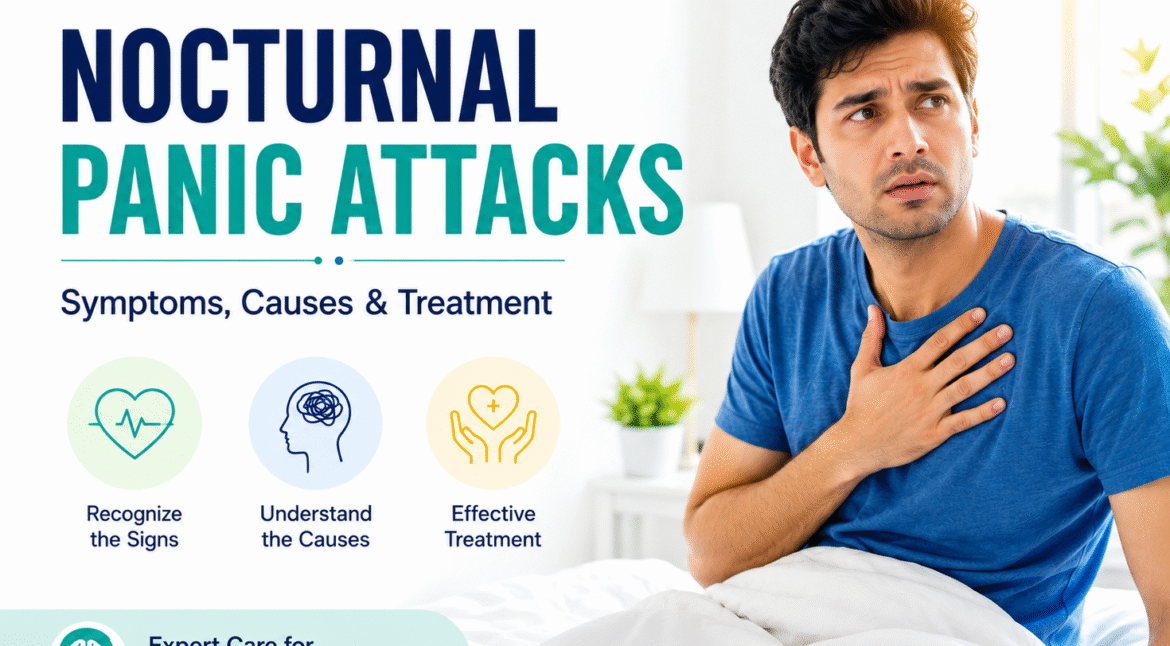
Nocturnal Panic Attacks: Symptoms, Causes & Treatment
Have you ever woken up suddenly in the middle of the night with a racing heart, shortness of breath, sweating, or an overwhelming sense of fear? You may have experienced a nocturnal panic attack. Unlike daytime panic attacks, these episodes occur during sleep and can leave individuals feeling confused, frightened, and exhausted.
Understanding the symptoms, causes, and treatment options can help you regain control and improve your sleep quality.
What Are Nocturnal Panic Attacks?
Nocturnal panic attacks are panic attacks that occur during sleep, causing a person to wake abruptly in a state of intense fear or distress. They can happen without any obvious trigger and often mimic symptoms of serious medical conditions such as heart problems.
Although nocturnal panic attacks can be alarming, they are a recognized symptom of anxiety and panic disorders and can be effectively treated with professional care.
Symptoms of Nocturnal Panic Attacks
Common symptoms include:
- Sudden awakening from sleep
- Rapid heartbeat or palpitations
- Shortness of breath
- Chest discomfort
- Excessive sweating
- Trembling or shaking
- Dizziness or lightheadedness
- Feeling detached from reality
- Fear of losing control or dying
Many individuals report difficulty returning to sleep after an episode, which can lead to chronic sleep deprivation and increased anxiety.
What Causes Nocturnal Panic Attacks?
Several factors may contribute to panic attacks during sleep:
1. Anxiety Disorders
People with generalized anxiety disorder or panic disorder are more likely to experience nighttime panic attacks.
2. Stress and Emotional Overload
Work pressure, relationship issues, financial concerns, or unresolved emotional stress can increase the likelihood of nighttime anxiety episodes.
3. Sleep Disturbances
Poor sleep quality, insomnia, and irregular sleep schedules can contribute to panic symptoms.
4. Physical Health Factors
Certain medical conditions, caffeine intake, alcohol use, and stimulant medications may trigger anxiety symptoms during sleep.
If you would like to understand the connection in greater detail, read our guide on what causes panic attacks at night, which explains the underlying psychological and physiological triggers.
Treatment for Nocturnal Panic Attacks
The good news is that nocturnal panic attacks are treatable.
Cognitive Behavioral Therapy (CBT)
CBT helps individuals identify and change thought patterns that contribute to panic and anxiety symptoms. It is considered one of the most effective treatments for panic disorder.
Medication
In some cases, medications may be prescribed to help manage anxiety and panic symptoms. A qualified psychiatrist for panic attack treatment can determine whether medication is appropriate based on your condition.
Lifestyle Changes
Helpful strategies include:
- Maintaining a consistent sleep schedule
- Reducing caffeine and alcohol intake
- Practicing relaxation techniques
- Engaging in regular physical activity
- Managing daily stress effectively
Professional Psychiatric Care
Persistent panic attacks should not be ignored. Consulting an experienced psychiatrist in Mumbai can help identify the root cause and create a personalized treatment plan.
When Should You Seek Help?
If panic attacks are affecting your sleep, work, relationships, or overall quality of life, it may be time to seek professional support. An experienced psychiatrist for panic attack treatment can help you understand your symptoms and guide you toward recovery.
If you are looking for a trusted psychiatrist in Mumbai, early intervention can make a significant difference in managing anxiety and preventing panic attacks from becoming more frequent.
Book an Appointment Today
Don’t let nighttime panic attacks disrupt your life. Consult a psychiatrist in Mumbai for a comprehensive evaluation and personalized treatment plan. Schedule your appointment today and take the first step toward better sleep and mental well-being.
Frequently Asked Questions
1. What are the symptoms of nocturnal panic attacks?
Common symptoms include sudden awakening, rapid heartbeat, chest tightness, sweating, trembling, shortness of breath, and intense fear.
- What causes panic attacks at night?
Nighttime panic attacks may be triggered by anxiety disorders, chronic stress, sleep disturbances, certain medical conditions, caffeine, or emotional distress.
3. Can a psychiatrist help with panic attacks?
Yes. A qualified psychiatrist for panic attack treatment can diagnose the condition, recommend therapy, prescribe medication when necessary, and help manage symptoms effectively.
4. When should I consult a psychiatrist in Mumbai for panic attacks?
You should consult a psychiatrist in Mumbai if panic attacks are recurring, disrupting sleep, affecting daily activities, or causing significant emotional distress.